THE MASTER AND MARGARITA
The performance is based on the novel “The Master and Margarita” by Mikhail Bulgakov (1891–1940) written in 1929–40, though the text uncorrupted by censorship was first published as late as 1967 in Paris.
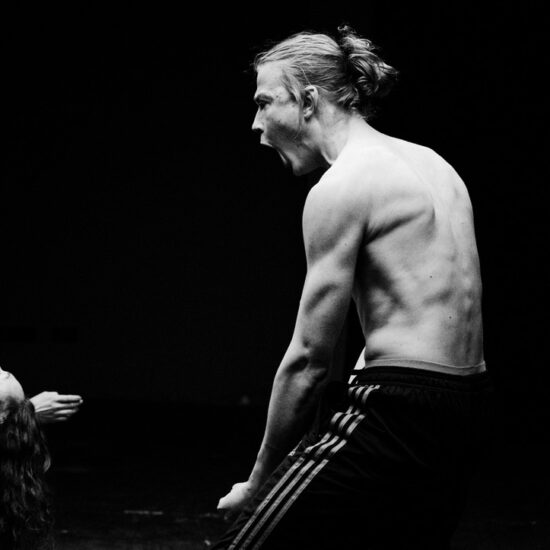
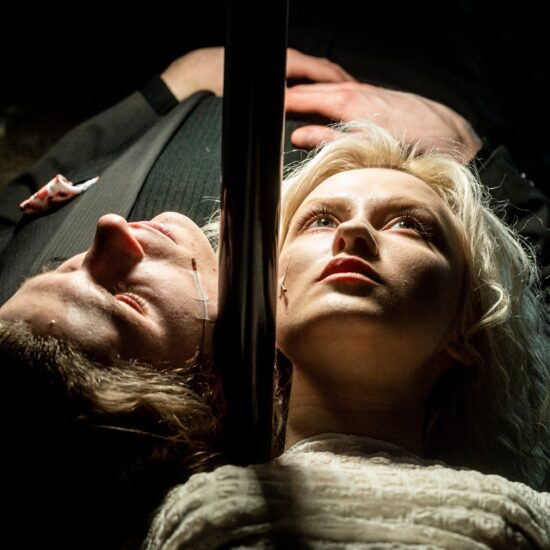
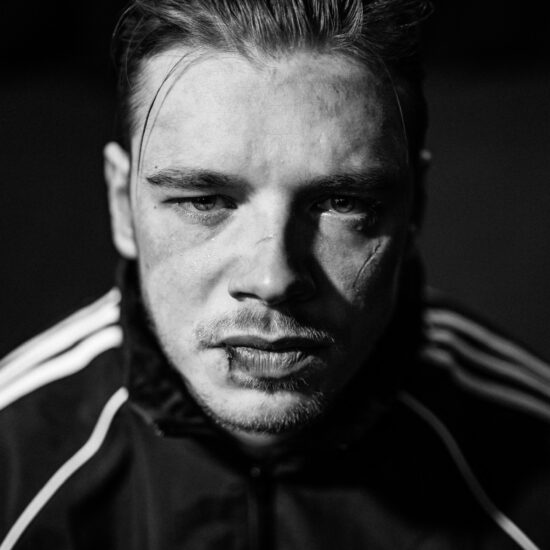
The stylistics of the performance is reminiscent of the “dream in a dream” principle: a mystery of life and death, recognition and oblivion, love and despair is all taking place in the mind of the protagonist Ivan Bezdomny who has found himself at a mental institution. In a certain sense this character embodies Bulgakov himself or, to be more exact, a symbolic figure of the Writer who together with his work, or for the sake of his work and his truth, like Christ, has to experience all kinds of spiritual metamorphoses ranging from humiliation, defilement and madness to saintliness. A parallel theme of self-sacrificing love (Margarita’s deal with Satan), the destructive activity of Woland (the evil spirit) and his retinue revealing the imperfection of the human nature – a polyphonic garland of these themes is concentrated on the main idea of the performance: is creative work really a spiritual value for the sake of which a whole life can be sacrificed? Manuscripts don’t burn, but their author has to burn in this fire to earn immortality for his work.
Sigitas Parulskis
Oskaras Koršunovas: In the finale, when the lights go down, the “thunder” of rustling paper sheets should be heard. The audience did not hear it, as a burst of thunderous applause filled the hall. The actors had more than ten curtain calls. I experienced this as a greatest miracle in my entire artistic career, as a meeting of the material particularly dear to me, and the most important festival. I’m very happy.
Set designer
Jūratė Paulėkaitė
Costume designer
Vida Simanavičiūtė, Aleksandras Pogrebnojus
Composer
Gintaras Sodeika
Adaptation
Sigitas Parulskis
Lighting designer
Eugenijus Sabaliauskas
Cast
ANNUSHKA - Egle Mikulionyte
AZAZELLO -Julius Zalakevicius, Saulius Mykolaitis
BERLIOZ - Vaidotas Martinaitis
BEZDOMNY, MATTHEW - Dainius Gavenonis
FRIEDA - Airida Gintautaite
HE-CAT - Arunas Sakalauskas
HELLA - Jolanta Dapkunaite
KOROVYEV - Andrius Zebrauskas
LATUNSKY - Algis Dainavicius
MARGARITA - Aldona Bendoriute
MASTER - Rytis Saladzius
NATASHA - Rasa Samuolyte
NEP CITIZEN - Algirdas Gradauskas
PIANIST - Petras Geniusas, Donaldas Racys
STRAVINSKY, PILOTE - Remigijus Vilkaitis, Arvydas Dapsys
WOLAND - Dainius Kazlauskas
Premiere
2000 September 17
Reviews
Daniele Carraz / La Provence
Jean-Pierre Léonardin / L’Humanité
Roman Pawlowski / Gazeta Wyborcza
Michel Cournot / Le Monde